Florence: Welcome back. Today: you found a supplier you like. You send a message. And then... nothing. Why does that happen, and what do you write instead?
Oliver: I know this one. My first message to a wholesaler was four words. 'Hi. Price list please.'
Kaan: And how many replies did you get?
Oliver: Zero. From... um, eleven suppliers.
Kaan: That's normal. On our side, we get those every day. No name, no shop, no product. We cannot tell if it is a buyer or a competitor checking prices.
Florence: So what makes a message worth answering?
Kaan: A number, a date and a question. That's really it. How much you want, roughly. When you need it. And something I can answer without asking you three things back.
Oliver: Even a rough number? I always thought I'd look small.
Kaan: Small is fine. 'About six packs' is fine. No number at all is the problem.
Florence: Let's build one. Say I run a kids boutique in Leeds. What's line one?
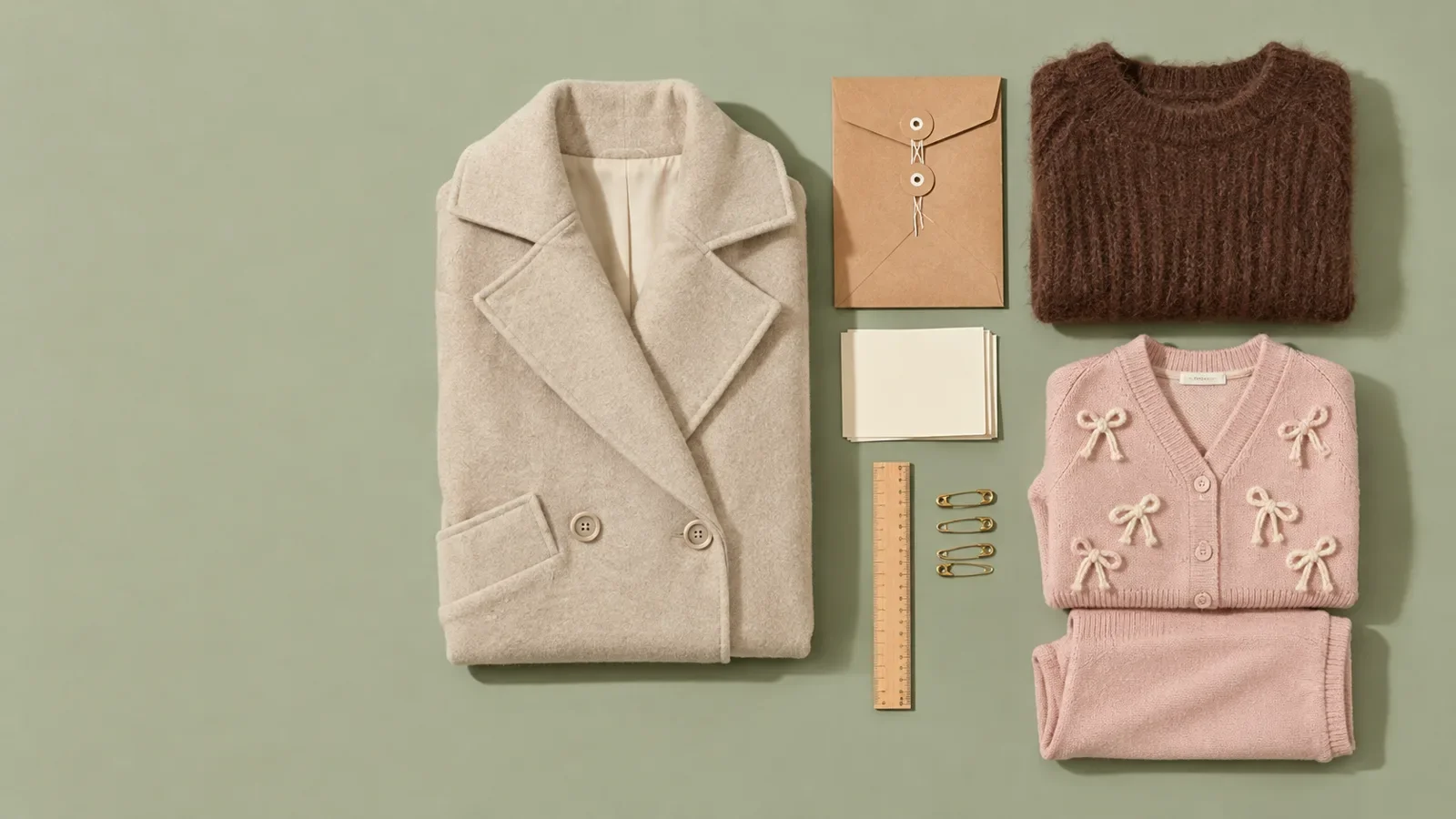
Kaan: Who you are and where you sell. Shop name, city, and a link. Instagram is enough. Then what you want: girls' knit sets, ages two to five, like the pink cardigan set on our site.
Oliver: And then the quantity-
Kaan: -and the date. 'About six packs, in the UK by mid-December.' Then three questions. Is the minimum per order or per style? What sizes are in one pack? How long is dispatch?
Florence: That's... short. Like a hundred words.
Kaan: Good. Shorter gets answered. Your brand story can wait for message two.
Oliver: Can I ask for a discount in the first message? Just a little one?
Florence: Oliver.
Kaan: Please don't. Before I know you, bargaining looks like a time-waster. First message is facts: price at your quantity, minimum, packs, dispatch, payment. Negotiate when you reorder and you know what sells.
Florence: What about WhatsApp? A lot of buyers worry that's not professional.
Kaan: In Türkiye, WhatsApp IS customer service. It's normal. Just send one full message, not five little ones. 'Hi.' 'Hello?' 'Are you there?' We see that a lot.
Oliver: Guilty.
Florence: Okay. I sent it. Two days, no reply. Now what?
Kaan: Two or three business days, then one follow-up. Same thread, so I see the first message. And add something new. Your budget, or the date. Not just 'checking in'.
Oliver: And if they still ignore me?
Kaan: Try once more, then move on. If a supplier can't answer a clear question before you pay... it won't get faster after you pay. Except around Bayram. Then the whole country is on holiday. Check the calendar first.
Florence: And when a reply does come, how do you read it?
Kaan: Look at what they answer, not how fast. A good reply answers your questions and asks you something back. Your sizes, your address. A PDF catalogue and nothing else? Busy, not bad. Ask again, shorter.
Oliver: And the bad ones?
Kaan: Pressure to pay today. A personal bank account. No company name. That's when you stop.
Florence: Last step, the first order.
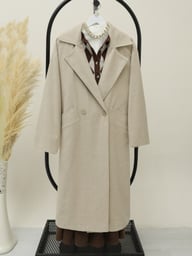
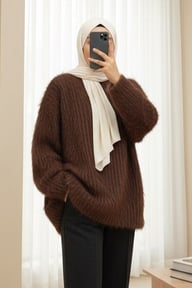
Kaan: Make it a test. Small, a few styles, check every pack when it arrives. On Peralane, ten coats, ten fuzzy knit sweaters and one pack of the girls' knit sets is about five hundred and eighty dollars. Just over the minimum.
Oliver: So: number, date, question. Follow up once. Test small.
Florence: And never 'price list please.' The full guide, with the message template, is on the Peralane blog. Thanks for listening.
To contact wholesale clothing suppliers and get a reply, send a short message that a sales rep can answer in five minutes: who you are, where you sell, the exact category or styles, a rough first quantity, when you need the goods and two or three direct questions. Suppliers skip messages that only say "send me your price list", because those rarely turn into orders. A specific first message, one polite follow-up and a small test order turn a cold contact into a working supplier.
Key takeaways
- Put a number, a date and a clear question in the first message; vague requests sit unanswered.
- Keep it under about 150 words and send it from a business address or a WhatsApp Business account with your shop link.
- Ask the questions that decide the deal first: price at your quantity, minimum order, pack contents, dispatch time and payment.
- Follow up once after two or three business days, on the same channel, with one new detail.
- Treat the first order as a test: small, mixed, paid in a way you can dispute.
Most first messages get no reply because the supplier cannot tell whether you are a real buyer. A wholesale inbox fills up with one-line requests: "Hi, price list please." There is no business name, no product and no quantity, so answering properly takes time and almost never leads to an order. As Recite's guide to supplier emails puts it, reps learn to skim past those.
The fix is not to look bigger than you are. It is to be checkable and specific. The factory sourcing platform Greige sums up the messages that do get answered: they contain "a number, a date, and something the factory actually has to answer". Its writers also find that short emails under 150 words with real numbers do better than long pitches. That advice was written for factories, but wholesalers sort their inbox the same way.
Five facts are enough for a supplier to answer usefully. Write them in this order:
Leave the brand story, the compliments and the request for "your full catalogue" for later. Fashion Index adds one more point: a subject line that names the category, quantity and season ("Girls' knitwear | 6 packs | Winter") gets opened, while "Inquiry" or "Question" is easy to overlook.
Here is a first message for a ready-stock wholesaler. It works by email, by WhatsApp or through a contact form.
Subject: Wholesale inquiry, girls' knit sets, about 6 packs, for December
Hello, I'm Sarah from Little Fern, a kids boutique in Leeds (littlefern.co.uk, also on Instagram). We want to add girls' knit sets for ages 2 to 5 for winter, for example your blush pink cardigan and trouser set.
We are planning a first order of about 6 packs across 2 or 3 styles, delivered to the UK by mid-December.
Could you tell me:
- Is the minimum per order or per style, and can I mix styles?
- What sizes are in one pack?
- How long is dispatch, and which shipping options do you have to the UK?
Thank you, Sarah, Little Fern
That is about 110 words. Every line is either a fact the supplier needs or a question they can answer from memory. "Little Fern" and "Sarah" are placeholders; put your own shop and a real link in.
On WhatsApp, send it as one message, not five short ones, and start with your name and shop. Many Turkish wholesalers run customer service on WhatsApp; it is a normal sales channel there, not a warning sign by itself.
Ask first the questions that decide whether the deal can work at all, and save the detailed checks for later. Wholesale buyers who have done this before usually start with these:
| Question | Why it comes first |
|---|---|
| What is the price per piece at my quantity? | A price "from" a large volume tells you little about your order |
| Is the minimum per order, per style or per colour? | A $500 order minimum and a 100-pieces-per-colour minimum are very different businesses |
| What is in one pack (sizes and pieces)? | Turkish wholesale sells by the size series; "pack of 4" means nothing without the size run |
| How long is dispatch, and how is it shipped? | Tells you whether the goods arrive in season |
| How do I pay, and when? | Shows whether you can pay a first order in a way you can dispute |
Do not bargain in the first message. Recite's advice is the same: the first contact gathers facts, and haggling before the supplier knows you are real puts you back in the time-waster pile. Price talk comes on the second or third order, when you know what sells.
If you want a supplier to make your own designs rather than sell their stock, the questions change: tech packs, samples and production minimums. Our comparison of wholesaler vs manufacturer explains which route fits a small boutique.
Follow up once, two or three business days after the first message, on the same channel. Reply in the same thread so the supplier sees the original, and add one new piece of information instead of "just checking in":
Hello again, following up on my message about girls' knit sets. We have now set our budget at about $600 for the first order. Could you confirm whether the knit sets are in stock for December dispatch?
If there is still no answer after a second try a few days later, move on. A supplier who does not answer a clear, specific question before you pay is unlikely to answer faster after. Two exceptions: national holidays and the weeks before big trade fairs, when replies are slower everywhere. In Türkiye, Ramadan Bayram and Kurban Bayram close many offices for several days, so check the calendar before you read silence as a no.
The content of the reply tells you more than its speed. The apparel maker Wincome makes the point that no reply time proves a supplier is reliable; what matters is whether the answer deals with your actual request. In practice:
A friendly, fast reply is a good start, not proof. Before you send money, run the checks in our wholesale supplier vetting checklist: registered company, matching bank account, written terms and a payment you can dispute.
The first order is how you find out whether a supplier is right for you, so keep it small and spread it across styles. Order close to the minimum, pick 3 to 5 styles in different categories, and check every pack the day it arrives: count, sizes, labels and seams against the product page.
For a winter test order from Türkiye, a mix could look like this, using Peralane's prices per piece:
Ten coats, ten sweaters and one pack of the girls' set come to $580, just over our $500 order minimum, which any mix of styles counts toward. Standard dispatch takes 6 to 15 business days because each order is sourced from our manufacturer network, and the FAQ covers packs, payment and claims. Our guide to wholesale clothing MOQ shows how pack sizes and minimums add up.
Send a short message by email, WhatsApp or the supplier's contact form. Say who you are and where you sell, which category or styles you want, a rough first quantity, when you need the goods, and ask two or three direct questions such as the minimum order, pack contents and dispatch time. Include a link to your shop so they can check you are a real business.
Keep it under about 150 words. Introduce your shop in one sentence, name the products you want, give an estimated quantity and a delivery date, then ask clear questions. Leave out your brand story, long compliments and requests for a full catalogue. A supplier answers fastest when every line is either a fact they need or a question they can answer.
Yes. Many wholesalers, including most Turkish ones, handle sales on WhatsApp. Send one complete message rather than several short ones, start with your name and shop, and ask the same questions you would by email. Before you pay, confirm the company behind the number and get the terms in writing.
Give a supplier two or three business days, then follow up once in the same thread with one new detail, such as your budget or delivery date. If a second follow-up a few days later gets no answer, contact other suppliers. Allow extra time around national holidays and big trade fairs, when replies are slower.
No. The first message is for facts: price at your quantity, minimum order, packs, dispatch and payment. Bargaining before the supplier knows you makes you look like a time-waster. Negotiate once you have ordered and know which styles sell.
Pick two or three suppliers, send each the same short message, and compare the replies side by side. If you want to test Turkish wholesale without writing to anyone first, you can browse women's clothing and kids clothing on Peralane with prices per piece shown, or send your questions to sales@peralane.com.