Florence: Welcome back. Today's question comes up in almost every first conversation with a new boutique: do I need a sourcing agent to buy wholesale from Türkiye?
Oliver: And the honest answer is... it depends. Which nobody likes.
Kaan: It depends on one thing, actually. Are you buying stock that already exists, or are you making something new?
Florence: Let's start with what an agent even does. Kaan?
Kaan: A good one is your person on the ground. They find suppliers, negotiate in Turkish, chase samples, check quality, and put goods from several factories into one shipment.
Oliver: And they do all that for free, out of love for boutiques.
Kaan: No. Usually three to ten percent of the order. On small orders, under five thousand dollars, eight to fifteen percent is normal.
Florence: Fifteen? On a first order of, say, fifteen hundred dollars?
Kaan: At twelve percent that is a hundred and eighty dollars. Five or six more packs of baby sets.
Oliver: Okay, story time. My first order from Istanbul, years ago, I used an agent who said, quote, 'no fee for you, my friend.'
Florence: Oh no.
Oliver: Oh yes. The prices were... fine. Then I visited the showroom myself the next season and the same dress was - um - noticeably cheaper.
Kaan: That is the real risk. Not the commission you agree to. The one you don't know about. Some 'free' agents take a cut from the factory, and it sits inside your unit price.
Florence: So if someone does hire an agent, what do they ask?
Kaan: Three questions, in writing. Does the supplier pay you anything? Will you show me the supplier's own price? Can I contact and visit the supplier directly?
Oliver: And if they get nervous at question one-
Kaan: -you have your answer.
Florence: Now the other side. When is buying direct simply easier?
Kaan: When the garments already exist. Istanbul wholesale is built for small buyers. You buy by the series, one style in one colour across the sizes. Merter for everyday volume, Osmanbey for design-led womenswear, Laleli for export and cargo.
Oliver: And if I can't fly to Istanbul?
Kaan: Then you don't. A lot of Turkish wholesalers sell online now, prices per piece in dollars. On Peralane the minimum is five hundred dollars per order, any mix of styles, and there is no agent fee on top.
Florence: Give us a real example from this season.
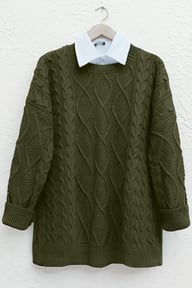
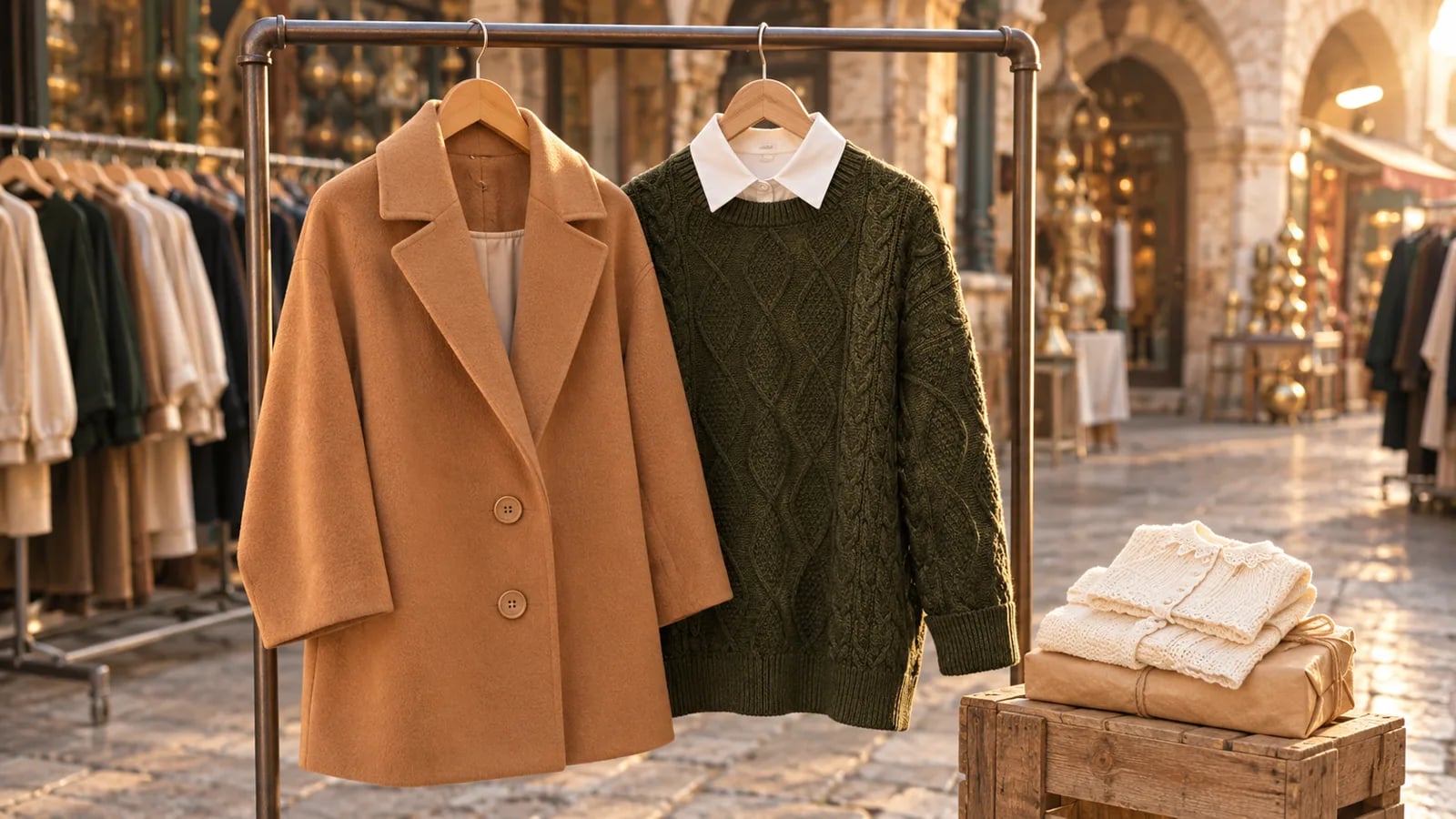
Kaan: A dark green cable-knit sweater, single piece, twelve dollars eighty-four. Five hundred dollars is about forty of them. Or a camel wool-blend coat, pack of six, thirty-six dollars a piece.
Oliver: So for ready stock, the agent is mostly doing what the website already does.
Kaan: Mostly. Finding, translating, agreeing a price. The page does that.
Florence: So when IS an agent worth paying?
Kaan: Four cases. Your own production. Ten showrooms in one shipment. Inspections you cannot do yourself. And big volume, where three to five percent is a small number.
Oliver: And whichever route... the money checks are the same, right?
Kaan: The same. Check the company in the trade registry. The bank account in the company's name, never a person's. A dated proforma: price per piece, sizes, dispatch date. And on a first order, pay by card or PayPal, so you can dispute.
Florence: So the short version: ready stock, try one direct order first. Production or many suppliers, an agent can earn the fee, if every number is in writing.
Oliver: And never trust 'no fee for you, my friend.'
Florence: The full guide, with the fee table and the checklist, is on the Peralane blog. Thanks for listening.
You can buy wholesale clothes from Türkiye without a sourcing agent if you buy finished stock: ready styles from a wholesaler, sold by the size series, with a clear price per piece. A sourcing agent in Turkey earns their fee when you need production, many factories or someone on the ground to check quality. For a boutique ordering a few hundred to a few thousand dollars of ready stock, a 5 to 15% commission often costs more than the problems it prevents.
Key takeaways
- Agents in Türkiye usually charge 3 to 10% of order value; small trial orders pay the most, often 8 to 15%.
- The bigger risk is a hidden margin: an agent who says "free to you" and takes a cut from the factory side.
- For ready-made stock, a direct wholesale order with a low minimum is simpler and cheaper than an agent.
- An agent helps with production runs, several factories in one shipment and quality checks you cannot do yourself.
- Before any deposit: confirm the company, the payee, the price per piece, the dispatch date and the claims process in writing.
A sourcing agent is your representative in the market: they find suppliers, negotiate, chase samples and follow the order until it ships. The usual list of services, as the Istanbul sourcing firm Toko sets it out, covers supplier discovery and vetting, sample coordination, price negotiation, production tracking, quality inspections, consolidating goods from several factories into one shipment, and export paperwork.
That work has real value when you cannot be in Istanbul and the order is complex. It has much less value when the garments already exist, the price is on a product page and one supplier ships the whole order.
Most agents take a commission on the order value, and the rate goes up as the order gets smaller. The figures quoted by agents and buying offices themselves are consistent:
| Order value | Typical commission | Source |
|---|---|---|
| Under $5,000 | 8-15% | WavePLM guide to sourcing agents |
| $5,000-$20,000 | 5-10% | WavePLM |
| $20,000-$100,000 | 3-8% | WavePLM |
| Turkey agents in general | about 3-8% | FindSourcingAgents: Turkey |
| Complex or small custom orders | 8-12%; above 15% is a warning sign | Toko |
Some agents charge a flat fee instead. WavePLM puts a single-style sourcing job at $500 to $1,500, and some Istanbul agents sell fixed packages for a supplier search, inspection and negotiation. Samples, inspections, testing and freight are usually billed on top, as FindSourcingAgents notes.
On a first boutique order the maths is simple. A $1,500 order at a 12% commission costs $180 in fees, which is the price of five or six extra packs of kids basics. That fee only pays for itself if the agent saves you more than that in price, mistakes or time.
The commission you agree to is not the real risk; a commission you do not know about is. Several agents describe the same pattern: an agent who says they are free to the buyer, while the factory pays them a cut that is built into your unit price. WavePLM cites industry figures that such undisclosed markups can add 10 to 30% to the cost. Even agents who are open about it say it plainly: one Istanbul firm's own FAQ states that the supplier may pay them a commission on orders placed through them, disclosed in writing before you order.
There is also a quieter conflict. As Turkish Sourcing points out, an agent paid a share of order value earns less when they negotiate your price down. So if you do hire one, ask three things in writing:
An agent who will not answer these is the risk you hired them to remove.
For ready-made stock, going direct is usually cheaper and not much harder. The Istanbul wholesale trade already runs on a format built for small buyers: the size series, one style in one colour across a run of sizes. Guides to the districts describe Merter as the volume and everyday-clothing market, Osmanbey as the design-led womenswear quarter and Laleli as the export bazaar with cargo firms that consolidate cartons from many shops (Turkish Suppliers List, Wholesale Plus Size).
You do not need a flight either. Many Turkish wholesalers now sell online with prices per piece in USD, which removes the main jobs an agent does for ready stock: finding the goods, translating and agreeing a price. Peralane works this way. Prices on our site are wholesale prices per piece, the minimum is $500 per order and any mix of styles counts toward it. Standard dispatch takes 6 to 15 business days because each order is sourced from our network of Turkish manufacturers, and there is no agent fee on top. Three in-season examples:
At those prices, $500 buys about 40 cable-knit sweaters, or two coat packs plus a dozen sweaters, with no commission to add. Our guide to wholesale clothing MOQ explains how series packs and order minimums work together.
An agent earns their fee when the work cannot be done from a product page. Four cases where we would hire one ourselves:
| Buy direct (ready stock) | Use a sourcing agent | |
|---|---|---|
| Best for | First orders, reorders, mixed small lots | Production runs, many suppliers, large volumes |
| Fee | None beyond the wholesale price | 3-15% of order value, or a flat fee |
| Price visibility | Price per piece is on the page or the proforma | Ask for the supplier's own price in writing |
| Your work | Choosing styles, checking the supplier, paying | Briefing the agent and checking the agent |
| Main risk | Paying an unverified seller | Hidden supplier-side margin |
Whether you buy direct or through an agent, the same checks protect your money. Before any payment:
Our supplier vetting checklist goes through each of these in more detail.
Most agents in Türkiye charge a commission of about 3 to 10% of the order value, and small orders under $5,000 often pay 8 to 15%. Some charge a flat fee instead, for example $500 to $1,500 for sourcing a single style. Samples, inspections and freight are usually extra. Always ask in writing whether the agent also receives a commission from the supplier.
Yes. For ready-made stock you can order directly from Turkish wholesalers, either in the Istanbul districts such as Merter, Osmanbey and Laleli or online from wholesalers that show prices per piece in USD. You choose styles by the size series, pay the wholesaler and they ship to you. A middleman adds the most value when you need production or many suppliers in one shipment.
Usually not for a first order of ready stock. On a $1,500 order a 12% fee is $180, which is several extra packs of stock. An agent becomes worth it when you move into your own production, buy from many showrooms at once or need local quality inspections. For finished styles with clear prices, a direct order with a low minimum is simpler.
Ask for the full legal company name and tax number and check the Trade Registry Gazette. Make sure the bank account belongs to that company, get a dated proforma with prices per piece and a dispatch date, and agree how short or faulty goods are handled before you pay. On a first order, a card or PayPal payment gives you a way to dispute the charge.
If your next order is ready stock, try one direct order before you sign an agent: pick a few styles, check the supplier, and compare the landed cost with an agent's quote. You can browse in-season women's clothing and kids clothing on Peralane with wholesale prices per piece and a $500 order minimum.