Florence: Welcome back. It's late November, it's finally cold, and a lot of boutique owners are asking the same thing: is it too late to buy winter stock?
Oliver: I asked that last year. On the fifth of December. Standing next to an empty coat rail.
Kaan: And what did you do?
Oliver: Panicked. Ordered twenty of one coat. In one colour.
Kaan: Okay. So the answer is no, it's not too late. But you buy in two steps, not one big panic.
Florence: Two steps meaning what, exactly?
Kaan: A main order now. Coats, knits, knit sets. Enough for maybe eight, ten weeks of selling. Then a smaller reorder in the first week of January. Only what sold fast.
Oliver: January? Isn't January just... the sales?
Kaan: For the big chains, yes. But February is one of the coldest months in the UK. People still need warm things. A small shop doesn't have to follow the chains' calendar.
Florence: Let's start with coats, then. Where does the money go?
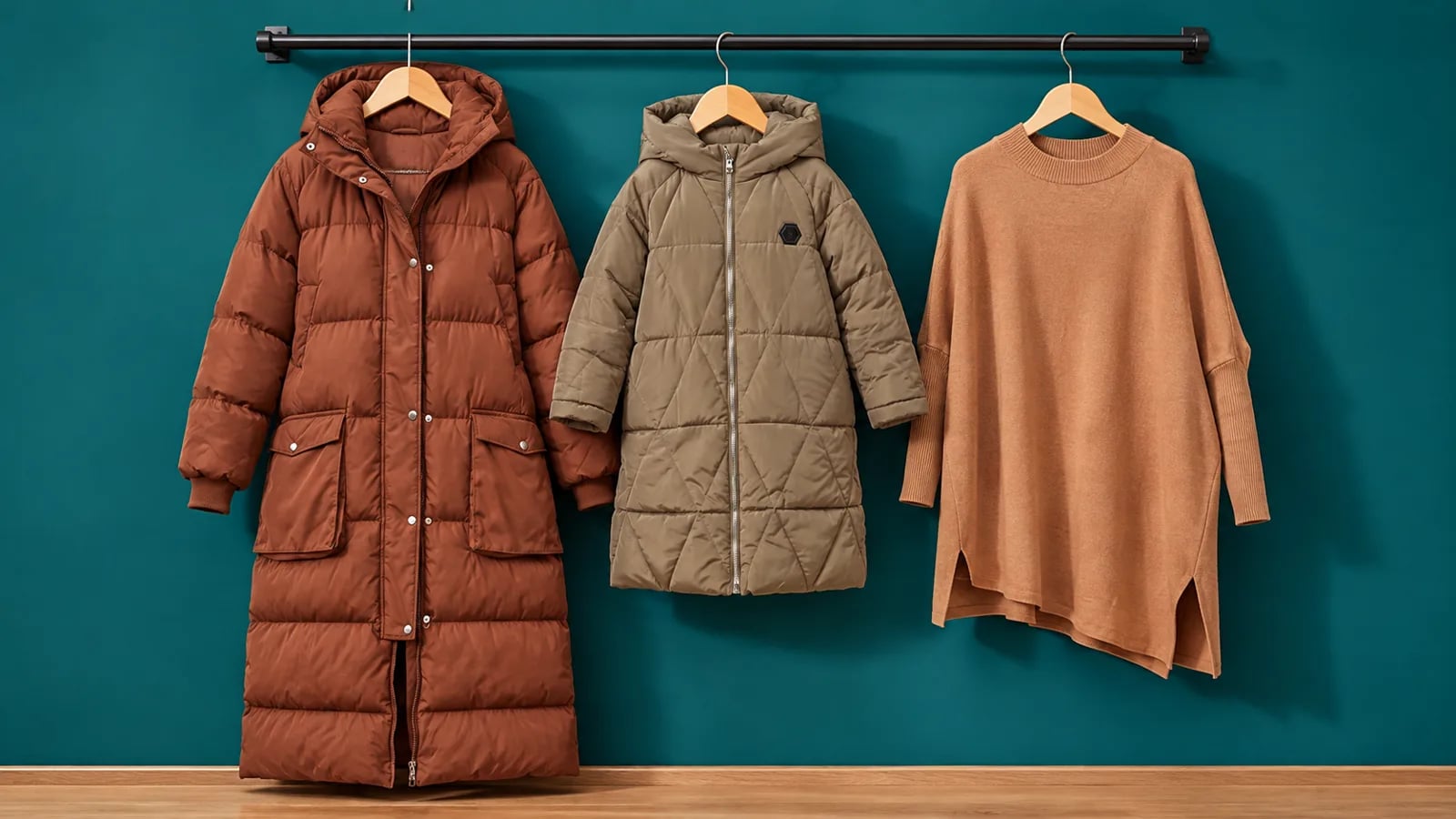
Kaan: Coats are the most expensive thing on your rail. So few styles. One long warm puffer, a dark colour. One tailored coat, camel or black. And one fashion piece, faux fur maybe, but small. A test.
Oliver: So not twenty of one coat in mustard yellow.
Kaan: Mustard can sell! But as the test piece. Not as the whole order.
Florence: What about kids? Parents buy coats differently, right?
Kaan: Parents buy a coat because the child grew. It's need, not impulse. Hmm, so with kids puffers, buy packs that cover the ages. One pack, one coat per age, six to fourteen. Then you see which colour they pick.
Oliver: Okay, and knitwear? That's my favourite part of the shop.
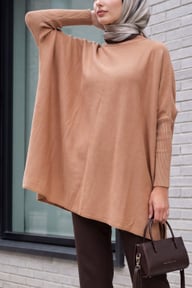
Kaan: Knits are the safer bet. They sell longer than coats. Chunky knits until January, the finer ones and knit sets into March. And easy fits, like ponchos, mean fewer size returns.
Florence: So if you want to go deep somewhere-
Kaan: -go deep on knits in core colours. Cream, brown, black, burgundy. If they don't sell out, they still sell next autumn.
Oliver: And the bright ones? The fun prints?
Kaan: Shallow. If they sell, great, that's your reorder. If not, that's your February markdown. Decide which is which BEFORE you buy.
Florence: So, January. How do you pick what to reorder?
Kaan: Not what sold. What sold fast. A coat that sold half in two weeks, yes. One that sold slowly all month, no. And reorder the sizes and colours that ran out, not the whole run again.
Oliver: And mostly knits, I'm guessing?
Kaan: Exactly. By mid-January, most people who needed a coat have one.
Florence: Last thing. Timing. If someone orders from Türkiye this week, when does it land?
Kaan: With us, standard dispatch is six to fifteen business days, then two to six days by air courier. So an order now usually lands in December. Count it back from the day you want it on the shelf.
Oliver: Which, for me, is yesterday.
Florence: Then don't wait for next week. The full guide, with the order table, is on the Peralane blog. Thanks, Kaan. Thanks, Oliver. Stay warm.
Buying wholesale winter clothing for a boutique in late November comes down to two orders, not one. Order now the warm pieces that sell at full price through the cold weeks: puffer and quilted coats, chunky knits, ponchos and knit sets, in core colours and moderate depth. Then plan a smaller January reorder of the styles that sold fastest, because in the UK and northern Europe February is still one of the coldest months and full-price winter demand does not end with the Christmas sales.
Key takeaways
- Split your winter buy: a main order in November and a reorder of proven winners in early January.
- Coats are the anchor and the biggest cash risk: few styles, two core colours, honest size runs.
- Knits and knit sets sell longer than coats, so they carry the January reorder.
- Decide before you buy which pieces carry over to next winter and which get marked down.
- Count dispatch plus transit back from the date you want stock on the shelf.
Winter clothing keeps selling well after November because the cold arrives late and stays late. The British Retail Consortium and KPMG reported that clothing and footwear sales grew in October 2026 as temperatures finally dropped (Just Style). Earlier winters show the same pattern: Next said cold weather in December gave cold-weather products a "dramatic boost" after a warm October and November (Next trading statement, January 2023).
Research by the Met Office and the British Retail Consortium found that weekly womenswear sales fall by about £11 million for every degree the temperature rises between mid-August and early October, mostly because people delay buying coats and knitwear (Vogue). The reverse is your opportunity: when it turns cold, coats and knits are what people come in for.
The former managing director of Whistles, Helen Williamson, pointed out in Drapers that big chains often discount heavy outerwear in November and December "just as it is getting colder", while February averages only 5.5°C in the UK. A small boutique does not have to follow that calendar. If your winter pieces land in early December, you can sell them at full price while the chains are already on sale.
Outerwear is the anchor of a winter buy and the place where mistakes cost most, so go narrow on styles and sensible on depth. A coat takes more cash per piece than anything else on the rail, and it must sell while it is still cold.
For women's outerwear, three roles cover most boutiques:
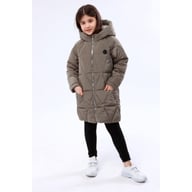
For kids, puffer and quilted coats are the easiest winter sale because parents buy them out of need, not impulse. The girls' hooded quilted puffer coat in khaki comes in a pack of five covering ages 6 to 14, so one pack gives you one coat per age group instead of five of the same size.
Read the listing like a spec sheet before you order: fabric content, whether the coat is lined, real pockets, the closure and the length. A coat that closes over a jumper and covers the hips sells on warmth; a cropped coat sells on looks and should be bought in smaller numbers.
Knitwear has a longer selling window than coats, which makes it the safer place to put depth. Chunky knits and cardigans sell hardest from November into January, while finer knits and knit sets that layer under a coat keep selling into March.
Good knitwear lines for a winter order:
Keep novelty colours and prints shallow. If they sell, they are your January reorder; if not, they are the pieces you mark down in February.
A simple rule for a small boutique: buy the November order to cover about eight to ten weeks of expected sales, not the whole winter. That leaves cash for the styles that prove themselves in December.
| Category | November order | January reorder |
|---|---|---|
| Long puffer and quilted coats | Main depth, 2 core colours | Only the best colour and sizes that sold out |
| Tailored and wool-blend coats | Medium depth | Rarely; sell what you have |
| Fashion coats (faux fur, bright colours) | Test quantity | Only if it sold in the first 2 weeks |
| Chunky knits, ponchos, cardigans | Medium to deep, core colours | Yes, the fastest sellers |
| Knit sets (women and kids) | Medium | Yes, for the cold weeks after Christmas |
| Kids' puffer coats | One pack per style to start | The style and colour parents chose |
With wholesale bought in size series, a pack is your unit of depth. One pack of a style gives you a full run of sizes to test; a second pack is the reorder once you know it sells. That is the advantage of a low minimum: you can spread a first order across more styles and only go deep on what works. Our post on the holiday stock plan covers the party and gift lines that sit next to these winter pieces.
Reorder in January only what sold at full price in December, and only what you can still sell before the weather turns. Look at three things in your sales:
Place the reorder in the first week of January so the goods arrive while it is still cold. If a style has not sold by late January, hold it in core colours for next winter rather than reordering more.
Count back from the date you want the goods on your shelf: dispatch time, plus transit, plus a few days to photograph and list. With Peralane, standard dispatch takes 6 to 15 business days, expedited dispatch 3 business days, and air courier transit takes 2 to 6 business days after dispatch. The minimum order is $500, and styles come in series packs across sizes or ages.
That means an order placed in the last week of November with standard dispatch typically lands in December, and a reorder placed in the first days of January can arrive in the second half of the month. If you have never written to a wholesaler before, our guide on how to contact wholesale clothing suppliers has a first message you can copy.
Most boutiques place their main winter order between September and November, then a smaller reorder in early January. If you are late, order now from a ready-stock wholesaler with short dispatch times and focus on coats, knits and knit sets that sell through the coldest weeks of December to February.
Keep coat styles few and deep enough to cover your sizes: two or three warm anchors in core colours, one tailored coat and a small test of a fashion piece. Buy for eight to ten weeks of expected sales, keep cash for a January reorder, and protect the larger sizes because customers size up to wear a coat over knits.
No. Cold-weather demand in the UK and northern Europe often peaks in December and continues into February. A wholesaler that dispatches within a few weeks can still get coats and knits to you for full-price selling, as long as you count dispatch and transit time back from the date you need the stock.
Chunky knits, cardigans in core colours, oversize jumpers and ponchos, and coordinated knit sets. Easy fits reduce size returns, core colours carry over to next winter, and sets raise the basket because customers buy the whole outfit. Keep bright colours and novelty prints in small numbers.
Yes, but only the styles that sold fast at full price in December, and mainly knitwear and knit sets rather than coats. Reorder the sizes and colours that ran out, place the order in the first week of January, and hold unsold core pieces for next winter instead of marking them down hard.
Write down your three best winter sellers from last year, then fill the gaps: one warm coat, one knit set and one easy knit. You can browse women's clothing and kids clothing on Peralane with prices per piece and pack contents shown, or send your questions to sales@peralane.com.