Florence: Hello, and welcome to the Peralane wholesale podcast. I'm Florence. Today's question comes up all the time: should you resell second-hand clothes, or buy new wholesale stock? Oliver, you tried reselling this month.
Oliver: I did. I sold my old trainers on Vinted. Took photos, wrote the listing, answered six messages, queued at the post office...
Kaan: And you made?
Oliver: Eight pounds. A whole evening for eight pounds.
Kaan: That is reselling in one sentence. The stock is cheap. Your time is not.
Florence: So let's be fair to it. Why do people start with reselling?
Kaan: Because it costs almost nothing. You start with your own wardrobe, then charity shops, car boot sales. A few pounds a piece. No risk, really.
Oliver: Mm-hm. And the hunting is fun, I'll give it that.
Kaan: It is. But every piece is one of a kind. New photos, new listing, every single time. A hundred items a month is... a part-time job.
Florence: And wholesale changes that how?
Kaan: You photograph one style once. One listing. Then you sell it in every size, and when it sells well, you just... order it again. You can never reorder a second-hand jumper.
Oliver: Wait. So the work moves from listing to buying?
Kaan: Exactly. You think harder before you pay, and less after.
Florence: Okay, here's the part I want people to hear. Can you sell wholesale stock on Vinted?
Kaan: No. Here's what most people miss: Vinted bans new items bought to resell. Wholesale, bulk orders, all of it. Even on a Pro account. It's in their rules.
Oliver: Even Pro? I thought Pro was the business version!
Kaan: Pro lets you resell second-hand items you sourced. New stock still goes somewhere else. Instagram, Facebook, your own little shop, or an eBay business account.
Florence: So the two routes really need two different shop windows.
Kaan: Right, right. Decide the route, then the platform follows.
Oliver: Let's talk money. What does a small wholesale order look like?
Kaan: Smaller than people think. Our packs go by size series, one piece of each size. A baby footed romper is two dollars twenty-eight a piece, three sizes in the pack. Under seven dollars for the pack.
Oliver: Under seven? I spent more than that on the postage for my trainers!
Florence: Oliver, please let the trainers go.
Kaan: But don't stop at the price. Add shipping, import costs, packaging, fees. That's your real cost per piece. Then one simple test -
Oliver: - the double-it test? I read about that.
Kaan: Yes. If you can't sell it for at least twice your cost per piece, half the order selling won't save you. Walk away.
Florence: And tax. People worry about tax.
Kaan: Selling your own old things from home? Usually no tax. But once you buy clothes to sell for profit, HMRC calls it trading. Over the one thousand pound trading allowance in a tax year, you tell them.
Oliver: And the apps report you too, right?
Kaan: Thirty sales or about seventeen hundred pounds in a year, and the platform reports it. It's not a fine. Just keep your records.
Florence: So, last question. When should someone switch from reselling to wholesale?
Kaan: When your hours run out before your buyers do. When people keep asking, do you have this in age two? You can only say yes with stock you can reorder.
Oliver: And start small. Two or three styles. Not sixty.
Kaan: Not sixty. Two or three styles, the ages that already sell for you, and test.
Florence: The full guide, with the numbers and sources, is on peralane dot com slash blog. Thanks for listening. See you next time.
Reselling vs wholesale comes down to one trade: reselling second-hand clothes costs little to start but every item is a one-off you photograph, list and post by hand, while new wholesale stock costs more up front but one photo shoot sells the same style again and again. Reselling suits a few spare hours and a tiny budget. Wholesale suits a seller who wants repeat sales and can plan a small first order. And the two routes sell in different places: Vinted does not allow new stock bought from a wholesaler, on any account.
Key takeaways
- Reselling: cheap stock, high time per item, sales capped by your listing hours.
- Wholesale: higher cost per order, but one listing sells many units, so time per sale falls.
- Vinted bans new items bought to resell, Pro accounts included. Wholesale stock sells on Instagram, Facebook, your own shop or an eBay business account.
- Once you buy to sell for profit, HMRC treats it as trading. Income above the £1,000 trading allowance has to be reported.
- Switch when your hours, not your demand, are the limit: buyers keep asking for sizes you cannot restock.
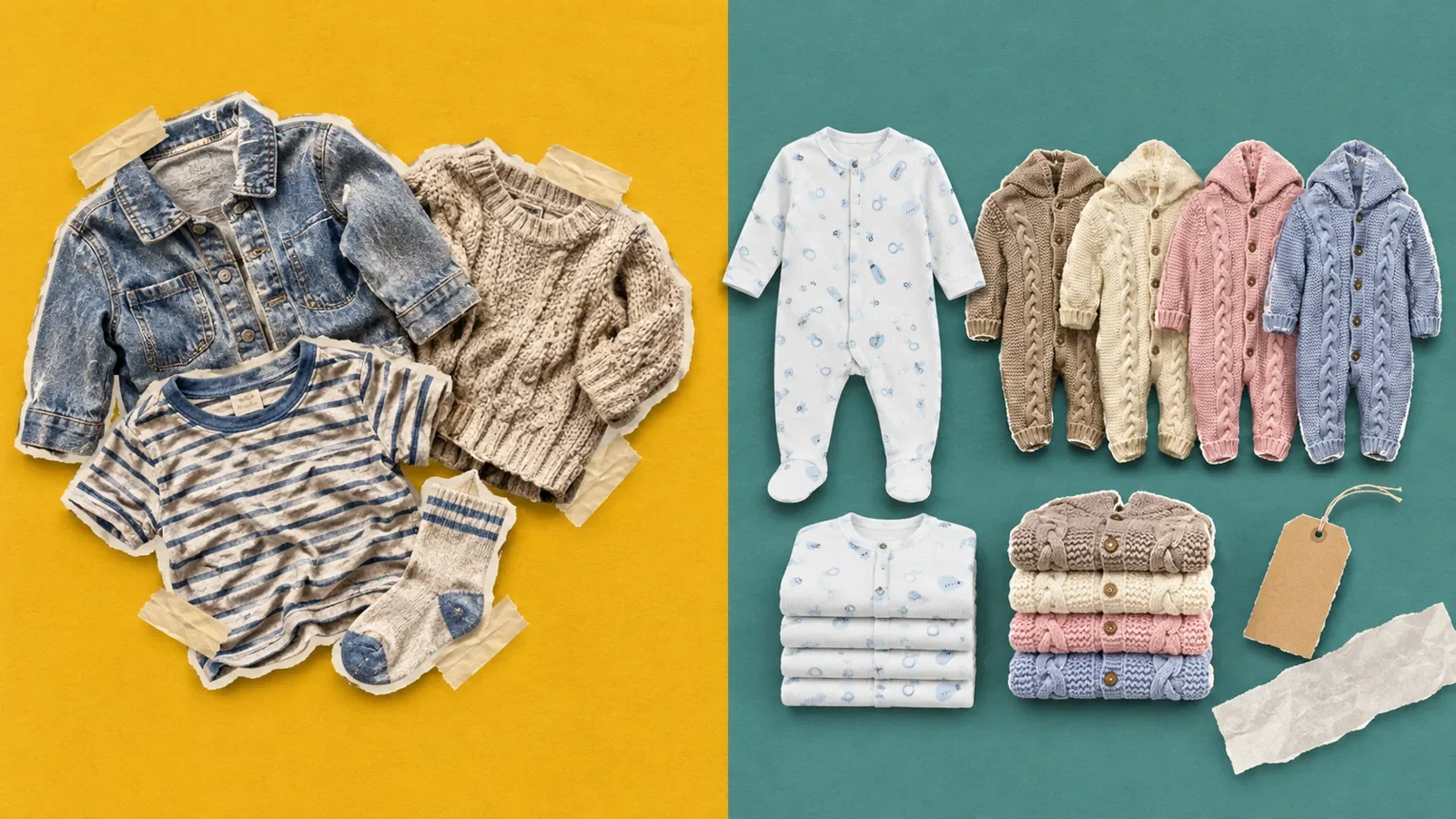
The quickest way to choose is to compare the two routes on cost, time and where they can sell. Here is how they line up for a seller working from home:
| Reselling second-hand | New wholesale stock | |
|---|---|---|
| Stock cost per piece | Low: charity shops, car boot sales, bales by the kilo | Fixed catalogue price per piece, bought in packs |
| Cash to start | A few pounds | A small first order, plus shipping and import costs |
| Listing work | One listing per unique item | One listing per style, sold in several sizes |
| Restock a bestseller | Not possible: each piece is one of a kind | Reorder the same style |
| Where it sells | Vinted, Depop, eBay | Instagram, Facebook, own shop, eBay business account |
| Account type | Private while you clear your own wardrobe | Business or sole trader once you buy to sell |
Neither route is better for everyone. The right one depends on how many hours you have, how much cash you can tie up, and whether your buyers come back for more of the same.
Reselling has the lowest entry price, and its real cost is the time each piece takes. A reseller sourcing guide from StoFlow puts charity-shop stock at roughly €5 to €15 a piece and graded bales by the kilo at roughly €1 to €5 a piece, and makes the point every reseller learns: the margin is made when you buy, not when you sell.
The hours are where it gets hard. The step-by-step guide from Seller Profit allows 5 to 10 minutes to photograph an item and about 5 minutes to write the listing, before messages, packing and posting. Every second-hand piece is unique, so that work starts again for each item. Twenty items is a full evening of listing; a hundred a month is a part-time job.
Reselling works well when:
New wholesale stock moves the work from listing to buying. You photograph a style once, write one description, and sell the same piece in several sizes and colours. When it sells well, you reorder it, which a one-off second-hand piece never allows.
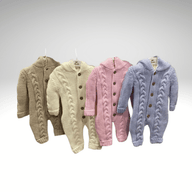
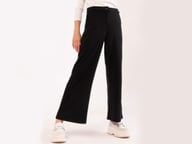
Turkish wholesale is sold in packs by size series: one pack holds one piece of each size. That keeps your size range complete without buying dozens of one size. Three examples from our catalogue:
Each of these is one listing with size options, not three or four separate posts. Browse the full kids and baby wholesale range to see how packs are built by age.
This is the point most comparisons miss: you cannot sell new wholesale stock on Vinted. Vinted's commercial selling rules say you cannot sell new items bought specifically to resell, including stock from wholesalers and bulk orders, and that this applies to everyone, Vinted Pro sellers included. Standard accounts also cannot be used to buy and resell at a profit; anyone selling to make a profit has to register as a Pro seller.
So the two routes need different shop fronts:
The fee picture also differs. eBay UK removed selling fees for private sellers in 2024, and Depop dropped its 10% selling fee for UK sellers the same year. Those free-selling offers suit people clearing personal items. A seller buying stock to resell moves to a business account and its fees, so put them in your sums.
On both routes, profit is decided by your cost per piece, so work it out before you pay. Landed cost per piece is the price of the stock plus shipping and any import costs, divided by the number of pieces you can actually sell.
A simple test from the UK reselling site Resell Vault: if the realistic selling price is below twice the cost per piece, the stock loses money when only half of it sells. Their example: 25 branded puffer jackets for £180 work out at £7.20 a piece and pass the test easily; a bundle whose resale price sits close to its cost does not.
Apply the same test to new stock:
Our guide on how much inventory to start a boutique shows how to turn this into a first order by styles and packs.
The tax rules change the moment you buy clothes in order to sell them. GOV.UK says you are probably trading if you sell goods you bought intending to sell for a profit, and if your total trading income is more than the £1,000 trading allowance in a tax year, you need to tell HMRC. Selling your own unwanted things from home is unlikely to be taxed.
Platforms also report sellers. Under rules in force since January 2024, digital platforms report sellers to HMRC unless they make fewer than 30 sales of goods in a calendar year and receive less than €2,000 (about £1,700) for them. A report does not mean you owe tax, but it means HMRC can see the income.
For either route, keep simple records from day one: what you bought, what it cost, what sold and for how much.
Most home sellers start with resale and switch when time, not demand, is the limit. These are the signs:
Start small: two or three styles, in packs that cover your best-selling ages, sold where new stock is allowed. If you are still setting up, our starter plan for selling kids clothes from home covers the first 30 days, and our supplier vetting checklist lists the questions to ask before you pay.
No. Vinted's rules ban new items bought specifically to resell, including wholesale and bulk stock, on every account, Vinted Pro included. Vinted Pro sellers can resell second-hand items they have sourced. Sell new wholesale stock on Instagram, Facebook, your own shop or an eBay business account instead, and keep Vinted for second-hand pieces.
Per piece, a good second-hand find can earn more, because the stock cost was very low. Per hour, wholesale usually wins once it sells, because one listing sells many units and you can reorder what works. Compare both on landed cost per piece, the realistic selling price and the hours each sale takes.
Less than many people think. Wholesale packs are small: a pack of three baby rompers, one per size, costs under $10 in our catalogue. A test order of a few packs across two or three styles, plus shipping and import costs, is enough to learn what sells before you spend more.
Selling your own unwanted clothes is unlikely to be taxed. Buying clothes to sell at a profit is trading, and if your trading income is more than £1,000 in a tax year you need to tell HMRC. Platforms report sellers who make 30 or more sales, or about £1,700, in a calendar year.
Whichever route you take, start with what your buyers already ask for. When you are ready to test new stock, browse our kids and baby packs, ordered by size series from Türkiye.